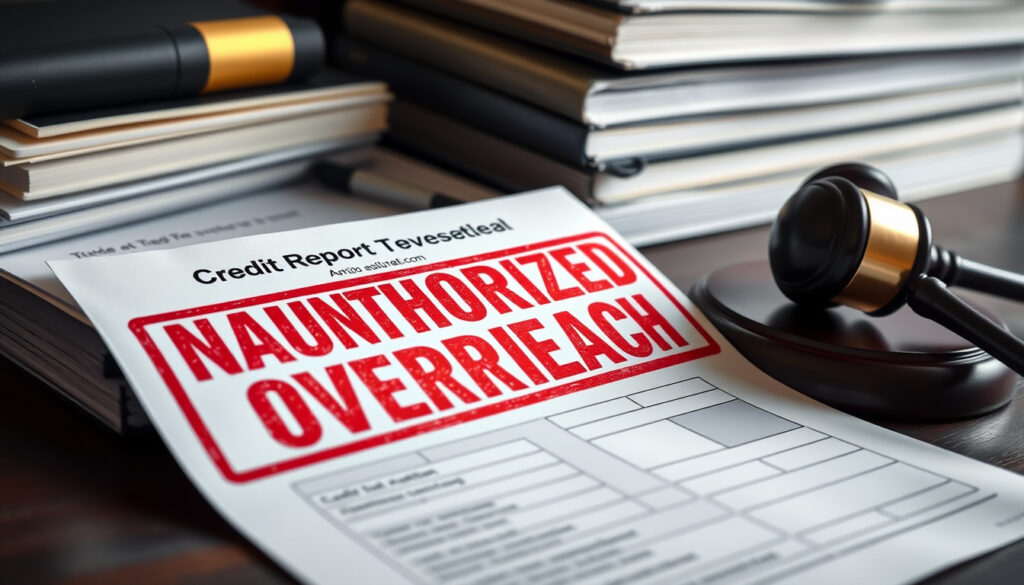
Rogers Unauthorized Credit Pull: Class Action Lawsuit Details
A class action lawsuit alleges Rogers Communications and Rogers Bank conducted unauthorized soft credit checks on Canadian customers to evaluate eligibility for Rogers Bank credit cards, without obtaining proper consent. The proposed $52 million class action, certified in Ontario on October 23, 2025, covers millions of Canadians in Ontario, Quebec, and Alberta who were subject to these privacy violations.
Lawsuit Value: $52 million · Affected Group: Millions of Canadians · Lead Firm: Sotos Class Actions · Alleged Action: Unauthorized soft credit checks · Certification Date: October 23, 2025
Lawsuit Basics
- Case: Trueman v. Rogers Communications Canada Inc., 2025 ONSC 5972
- Filed: January 2026
- $52 million claim
- Millions potentially affected
What Happened
- Soft credit checks conducted without consent
- Rogers Bank involved as co-defendant
- Privacy law breach under PIPEDA
- Checks continued after plaintiff withdrew consent
Legal Status
- Class action certified in Ontario
- Multi-province class (Ontario, Quebec, Alberta)
- Defendants appealing certification
- Decisions expected in 2026
Next Steps
- Check your credit reports
- Dispute unauthorized inquiries
- Join class action automatically
| Attribute | Details | Source |
|---|---|---|
| Case Citation | 2025 ONSC 5972 | Court Decision PDF |
| Court File | CV-21-00670953-00CP | Rogers Statement of Defence |
| Class Start Date | January 1, 2015 | Sotos Class Actions |
| Shaw Class End | December 4, 2024 | iPhone in Canada |
| Rogers Pre-March 16, 2025 Class End | April 13, 2025 | iPhone in Canada |
| Rogers March 16–April 12, 2025 Class End | July 17, 2025 | iPhone in Canada |
| Plaintiff’s Soft Checks Discovered | Six | Sotos Class Actions |
| FCAC Complaints Remediated | 481 | Rogers Statement of Defence |
Is there a class action lawsuit against Rogers?
Yes. A class action lawsuit has been certified against Rogers Communications and Rogers Bank for conducting unauthorized soft credit checks on Canadian customers. The case, Trueman v. Rogers Communications Canada Inc., 2025 ONSC 5972, was certified by the Ontario Superior Court of Justice on October 23, 2025, and seeks up to $52 million in damages.
Rogers Credit Check Breach Details
The lawsuit alleges that Rogers Bank regularly accesses the personal credit information of Rogers Communications’ customers through soft credit checks, without obtaining the customers’ consent. According to Sotos Class Actions, the plaintiff discovered six soft credit checks conducted by Rogers despite maintaining good account standing. Furthermore, Rogers continued these checks after the plaintiff explicitly withdrew consent.
Soft credit checks reveal personal information including name, age, occupation, residence, marital status, education, employment, income, paying habits, and credit score. Unlike hard checks, soft checks do not impact credit scores.
Lawsuit Allegations
The class action alleges breach of Canadian privacy laws including intrusion upon seclusion, breach of contract, breach of confidence, and Quebec privacy statutes. The defendants’ Statement of Defence claims that soft inquiries were disclosed in the terms of service and that continued use implies consent. Rogers also stated that they stopped soft inquiries upon specific request from the plaintiff.
“This is an action about the collection and use of credit information, using non-intrusive privacy protective means, to pre-approve existing customers for Rogers branded credit cards.”
— Rogers Defendants, 2nd Amended Statement of Defence
Eligibility and Sign Up
The class includes persons in Ontario, Quebec, and Alberta with Rogers post-paid contracts from January 1, 2015. Customers are automatically included in the class action unless they opt out. Class periods vary by customer type:
- Shaw customers: January 1, 2015 through December 4, 2024
- Rogers customers activated before March 16, 2025: through April 13, 2025
- Rogers customers activated March 16–April 12, 2025: through July 17, 2025
Customers automatically participate in the class action unless they take steps to opt out. No sign-up is required if you fall within the class definition.
What if my credit was pulled without authorization?
If you discover unauthorized credit inquiries on your report, you have several options to address this situation and protect your rights as a consumer.
Immediate Steps to Take
- Obtain your credit reports from Equifax and TransUnion to identify all inquiries
- Document each inquiry with dates, the creditor name, and whether you authorized it
- File a dispute with the credit bureaus to challenge unauthorized inquiries
- Contact Rogers directly to request an explanation and removal of unauthorized pulls
- Consider participating in the class action if you fall within the class definition
Impact on Credit Score
Unlike hard credit checks, soft credit checks do not impact your credit score. According to American Express Canada, soft inquiries are used for pre-approval purposes and leave no trace on your credit file. However, the unauthorized access to your personal financial information represents a privacy violation regardless of score impact.
Even though soft checks don’t affect your credit score, unauthorized credit pulls still violate your privacy rights. Document everything and consider your legal options.
Reporting to Authorities
You may file complaints with the Office of the Privacy Commissioner of Canada, which previously found that telecom unauthorized credit checks for marketing violate PIPEDA. The Financial Consumer Agency of Canada (FCAC) also found that Rogers Bank breached regulations by issuing cards without express consent or written confirmation.
Does Rogers check your credit?
Yes. Rogers Communications and Rogers Bank have been conducting soft credit checks on customers to evaluate eligibility for Rogers Bank credit cards, often without obtaining proper consent.
Rogers Practices Exposed
The class action alleges that Rogers conducted soft credit checks for marketing and promotional purposes related to Rogers Bank. According to MobileSyrup, a 2015 Office of the Privacy Commissioner report found that telecom unauthorized credit checks for marketing violate PIPEDA—a precedent directly relevant to this case.
“snooping” into customer credit files without permission.
— Austin Blake, iPhone in Canada
Privacy Policy Review
Rogers claims that soft inquiries were disclosed in their terms of service, and that continued use of services implies consent. However, plaintiffs argue this does not constitute valid consent under Canadian privacy law. The defendants’ Statement of Defence also states that Rogers Bank requires a hard credit check to issue cards and denies having a practice of issuing unsolicited cards.
Rogers declined to comment on the allegations when approached by media outlets.
How to remove unauthorized credit inquiry?
You can dispute unauthorized credit inquiries with the credit bureaus and request their removal from your credit report.
Dispute Process with Bureaus
Contact both Equifax and TransUnion to dispute unauthorized inquiries. Provide documentation showing you did not authorize the credit check. The credit bureaus are required to investigate and remove invalid inquiries. Soft inquiries from unauthorized parties may be disputed on the basis that proper consent was not obtained.
Timeframes for Removal
Credit bureaus typically have 30 days to investigate disputes. Once verified as unauthorized, inquiries should be removed from your report. The dispute process is free and can be initiated online through each bureau’s website.
Legal Recourse
Beyond disputing with credit bureaus, affected customers may have legal recourse through the class action lawsuit. The certified claims include breach of contract, breach of confidence, intrusion upon seclusion, and violations of Quebec privacy statutes. As noted by the Ontario Bar Association, the court rejected regulatory processes as a preferable alternative to class action litigation in privacy cases.
How do I contact Rogers about unauthorized credit pull?
You can contact Rogers through multiple channels to report unauthorized credit pulls and request an explanation.
Phone and Email Options
Contact Rogers customer service directly through their main support lines. For privacy complaints specifically, request to speak with the privacy or compliance department. Document all communications, including representative names, dates, and reference numbers.
Customer Service Details
When contacting Rogers, be prepared to provide your account information, details about the unauthorized inquiry, and your request for explanation or remediation. Ask for written confirmation of any commitments made during the call.
Fraud Reporting
If you believe your personal information has been misused, consider filing a report with the Canadian Anti-Fraud Centre. For privacy violations specifically, the Office of the Privacy Commissioner of Canada accepts complaints regarding PIPEDA breaches.
Keep records of all communications with Rogers regarding unauthorized credit pulls. These records may be valuable if you participate in the class action lawsuit.
Legal Status and Next Steps
The class action lawsuit is currently in the appellate stage, with decisions expected in 2026. The Ontario Superior Court certified the class action on October 23, 2025, and the defendants have appealed both the certification and the denial of summary judgment.
The court certified claims for breach of contract, breach of confidence, intrusion upon seclusion, and violations of Quebec privacy statutes. The lawsuit seeks damages and an injunction against further unauthorized use of credit information.
Rogers has remediated 481 FCAC complaints related to unsolicited cards, according to their Statement of Defence. The plaintiff alleges no financial loss was suffered, but the privacy violation claims proceed on behalf of the class.
Related reading: Canadian Dollar vs US Dollar: Live Rate, Chart & Forecast · American Dollar to Canadian Dollar: Live USD to CAD Rate
Frequently Asked Questions
What is the Rogers credit check breach?
The Rogers credit check breach involves unauthorized soft credit checks conducted by Rogers Communications and Rogers Bank on Canadian customers without their consent. These checks accessed personal credit information to evaluate eligibility for Rogers Bank credit cards, violating Canadian privacy laws under PIPEDA and other regulations.
Is the Rogers class action text real?
Yes. The class action lawsuit, Trueman v. Rogers Communications Canada Inc., 2025 ONSC 5972, is legitimate. It was filed by Sotos Class Actions and certified by the Ontario Superior Court of Justice on October 23, 2025. The lawsuit seeks up to $52 million in damages on behalf of affected customers in Ontario, Quebec, and Alberta.
Can I dispute an unauthorized credit pull?
Yes. You can dispute unauthorized credit inquiries by contacting Equifax and TransUnion directly. Provide documentation showing you did not authorize the credit check. The credit bureaus must investigate and remove invalid inquiries within 30 days. You can also file complaints with the Office of the Privacy Commissioner of Canada.
How do I check if Rogers pulled my credit?
Obtain free copies of your credit reports from Equifax and TransUnion. Review the inquiries section for any soft credit checks from Rogers Communications or Rogers Bank. Soft inquiries are typically listed separately from hard inquiries and do not affect your credit score, but they still indicate that your credit information was accessed.
What are Rogers contact options for complaints?
Contact Rogers customer service through their main support lines and request to speak with the privacy or compliance department regarding unauthorized credit pulls. Document all communications with representative names and reference numbers. For privacy violations, you can also file complaints with the Office of the Privacy Commissioner of Canada and the Financial Consumer Agency of Canada.
Timeline of Events
The following timeline summarizes key dates in the Rogers unauthorized credit check class action lawsuit:
| Date | Event | Source |
|---|---|---|
| January 1, 2015 | Class period begins for Rogers customers | Sotos Class Actions |
| 2021 | Lawsuit filing (court file CV-21-00670953-00CP) | Rogers Statement of Defence |
| October 27, 2023 | Rogers files 2nd Amended Statement of Defence | Rogers Statement of Defence |
| December 4, 2024 | Shaw customers class period ends | iPhone in Canada |
| April 13, 2025 | Rogers pre-March 16, 2025 customers class period ends | iPhone in Canada |
| July 17, 2025 | Rogers March 16–April 12, 2025 customers class period ends | iPhone in Canada |
| October 23, 2025 | Ontario Superior Court certifies class action (2025 ONSC 5972) | Sotos Class Actions |
| January 2026 | Media reports on $52 million lawsuit | iPhone in Canada |
| 2026 | Appeals decisions expected | Sotos Class Actions |
Additional Sources
- Sotos Class Actions — Primary Case Page
- Ontario Superior Court — Certification Decision PDF
- Rogers Communications — Statement of Defence
- iPhone in Canada — Class Period Details
- MobileSyrup — OPC Precedent Coverage
- Ontario Bar Association — Legal Analysis
- American Express Canada — Credit Check Definitions
- FCAC — Official Credit Basics
Customers affected by unauthorized credit checks should monitor their credit reports, document any suspicious inquiries, and consider their participation options in the certified class action.
More related posts
 Chennai Super Kings vs Mumbai Indians: H2H, Live Score 2026
 Punjab Kings vs Chennai Super Kings – Scorecard, Result and Stats
 BBL Before and After: Real Photos, 6 Months to 10 Years Results
 Renouvellement Passeport Canada en Ligne – Guide 2025-2026
 Canadian Tire Flin Flon – Address, Hours, Phone and Services
 Tic-Tac-Toe: How to Play, Strategies, and Variants
 How to Get Away with a Murderer – Plot, Cast and Impact
 NBA 2K26 Release Date: Launch Times, Early Access & Platforms