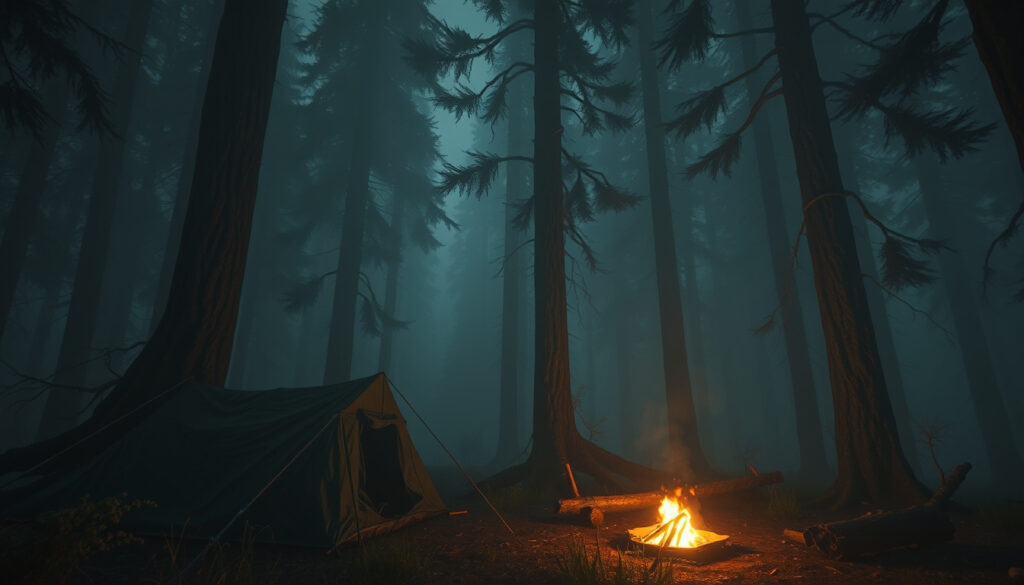
99 Nights in the Forest – Game or Real Survival?
The phrase “99 nights in the forest” has circulated across social media platforms, sparking curiosity about whether it refers to a real survival challenge or an online trend. Investigation reveals that no documented case exists of an individual attempting to survive 99 consecutive nights alone in an actual forest as a documented challenge or competition. The concept appears primarily in fictional contexts, including a survival horror video game that carries this exact title, where players navigate mysterious nighttime encounters in a forested environment.
The confusion surrounding “99 nights in the forest” stems largely from viral videos that blend gaming content with speculative narratives about real-world survival scenarios. These videos often present the game as though it documents an actual event, creating ambiguity about its factual basis. Understanding the distinction between documented survival attempts and fictional gaming experiences requires examining the available evidence and platform origins of the content.
Survival challenges have historically gained attention when rooted in verifiable circumstances, such as the 2023 Colombian plane crash where four siblings survived 40 days in the Amazon jungle. However, searches for a documented 99-night forest survival challenge yield no credible sources, verified participants, or established challenge frameworks matching that specific timeframe and setting.
What Is “99 Nights in the Forest”? Understanding the Viral Content
“99 Nights in the Forest” refers to a survival horror video game rather than a real-life TikTok or YouTube creator challenge. The game places players in a mysterious forest environment where they must survive consecutive nights while navigating various threats and rescuing four children: Dino Kid, Squid Kid, Kraken Kid, and an additional character. The narrative centers on a plane crash scenario and a missing tent, establishing the player’s mission as survival and rescue.
Key Insights from the Game’s Narrative Structure
- The game extends beyond 99 nights, with achievement badges available for surviving up to 500 days
- The deer enemy investigates players on the first night without attacking, allowing early resource gathering
- Food management is essential—starvation leads to character death regardless of other progress
- The game incorporates enemies inspired by folklore, including the owl drawing from Mothman legends
- Viral videos frame the game content as investigating a “real” tragedy, creating misleading narratives
- No evidence exists of actual 99-night survivals or real individuals attempting the challenge
- YouTube channels like Asagi Gaming produce content exploring game secrets and theories
Snapshot Facts
| Fact | Details |
|---|---|
| Night Count Referenced | 99 nights (with gameplay extending to 500 days) |
| Children to Rescue | Four: Dino Kid, Squid Kid, Kraken Kid, and one other |
| Narrative Trigger | Plane crash and missing tent |
| Primary Threat (Early) | Deer enemy that investigates but does not initially attack |
| Critical Resource | Food—starvation causes death |
| Real-World Inspiration | 2023 Colombian plane crash (40 days, Amazon jungle) |
| Content Platform | Primarily YouTube gaming channels |
| Authenticity Status | Fictional video game—no real survival challenge exists |
Game Mechanics and Survival Elements
The gameplay in “99 Nights in the Forest” incorporates mechanics that test players’ resource management and strategic thinking. Unlike real survival scenarios, the game offers specific rules and patterns that skilled players learn to exploit for extended survival. Understanding these mechanics reveals why the game has attracted dedicated players despite—or perhaps because of—its challenging nature.
Enemy Behavior and Player Strategy
The deer enemy serves as the primary early-game challenge. During the first night, the deer investigates the player without attacking, which allows new players to gather initial materials. As gameplay progresses, the deer becomes increasingly protective of the player, a behavior that content creators have likened to a search dog named Wilson in the real-life event that inspired the narrative.
In the Snow Biome, an owl enemy presents a different challenge. Players must remain motionless when the owl is nearby—any movement triggers an attack. Successfully avoiding the owl allows players to collect dropped feathers, which the bird watcher or researcher character converts into free fuel as a reward.
Experienced players have discovered strategies such as exploiting blind spots, quickly repeating stronghold locations to acquire forest fragments while bypassing the normal 20-minute cooldown, and using cultist bodies non-violently by tossing them into campfires. These techniques extend survival but remain part of the fictional game environment.
Resource Management and Progression
Successful survival in the game requires prioritizing food and fuel above other activities. Players who neglect these basic resources face death regardless of progress made in other areas. The game introduces additional elements through updates, including UFOs and frozen cultists that add variety to extended playthroughs.
The narrative positions the player as a hero because police failed to find clues that would have led them to the missing children. This backstory creates emotional stakes beyond mere survival, motivating players to continue despite mounting challenges.
The Real-World Inspiration: Separating Fact from Fiction
The game’s narrative draws loose inspiration from a documented 2023 Colombian plane crash involving siblings aged 11 months to 13 years. These children survived 40 days in the Amazon jungle before being rescued through “Operation Hope” with Colombian military assistance. A dog protected them during the final days of their ordeal.
However, significant differences exist between the real event and the game’s fictional framework. The actual survival lasted 40 days in the Amazon jungle, not 99 nights in a forest. Five children were involved in the real crash, while the game features four. No exact matching plane or tent has been confirmed as direct proof connecting the real tragedy to the game’s specific details.
The game’s enemies incorporate folklore references beyond the plane crash narrative. The deer draws inspiration from concepts of “the wind” in mythology, while the owl enemy connects to the Mothman legend originating from 1966 West Virginia sightings. These additions create atmosphere while distinguishing the game from its inspiration.
Why the Confusion Persists
Viral YouTube theory videos blend elements of the real Colombian survival story with the game’s fictional scenario. These videos frame the game as investigating a “real” tragedy, using narrative techniques that blur boundaries between documented events and fictional content. The production quality and investigative framing of these videos contribute to audience uncertainty about the content’s authenticity.
The “real or fake” debate continues because these videos generate engagement through speculation rather than factual reporting. Claims of “true story” status appear in video titles and descriptions, yet the real event had a different outcome—survivors were rescued after 40 days, not trapped for 99 nights awaiting rescue.
Timeline of Key In-Game Events
The game’s progression follows specific milestones that shape player strategy and narrative understanding. According to the official game wiki, certain days mark significant changes in gameplay and enemy behavior.
- Day 1: Starting day—the deer does not attack, allowing initial exploration and resource gathering
- Day 2: The deer may awaken and begin active investigation; the first Pelt Trader visit occurs
- Days 5-6: Subsequent Pelt Trader visits occur every 3-4 days, providing trading opportunities
- Extended Play: The deer eventually leaves after the 99-night mark, allowing more freedom
- Post-99 Progression: Players can continue to 500 days for special achievement badges
The timeline structure emphasizes early preparation and resource management before challenges intensify. Players must balance immediate survival needs against long-term strategic investments.
Is “99 Nights in the Forest” Real? Facts Versus Speculation
Evaluating claims about “99 Nights in the Forest” requires distinguishing between established facts and unverified speculation. The following comparison clarifies what documentation supports versus what remains uncertain.
| Established Information | Unverified or Misleading Claims |
|---|---|
| Survival horror video game exists | Real-life 99-night survival challenge |
| Inspired by 2023 Colombian plane crash | Direct adaptation of real events |
| Four children featured in game | Matches real crash victims exactly |
| 40-day survival documented in Amazon | 99-night duration matches any real event |
| YouTube gaming content about the game | TikTok creators attempting real survival |
| Game extends beyond 99 nights | Challenge ends after 99 nights |
| Mythological enemies (Mothman, wind) | All enemies based on real creatures |
No evidence exists of actual individuals attempting to survive 99 nights in a forest as a documented challenge. Content presenting such claims likely refers to the video game or misrepresents the 2023 Colombian survival story. Viewers should verify sources before accepting viral narratives as factual.
Background and Cultural Context
The fascination with extreme survival narratives reflects broader cultural interest in human resilience and endurance stories. Documented cases like the Colombian plane crash captivate audiences because they represent extraordinary persistence against seemingly impossible odds. When fictional content like the video game invokes these stories, the combination of real tragedy and imaginative extension creates compelling—though potentially misleading—narratives. For more information, check out Sophie Rain Spider-Man vídeo fets.
YouTube creators have capitalized on this interest by producing investigative-style content that presents game footage alongside speculation about real-world connections. This approach generates views by promising revelations about hidden truths while relying on entertainment conventions rather than journalistic standards.
The distinction matters for ethical reasons. The Colombian siblings’ survival story represents a traumatic real event involving real children. Using those children’s experience to generate engagement for fictional content—without clear boundaries—risks trivializing their ordeal while potentially misleading audiences about what actually occurred.
Sources and References
Multiple YouTube channels have produced content exploring “99 Nights in the Forest,” including gameplay analysis, theory videos, and survival guides. Channels like Asagi Gaming focus specifically on game secrets, updates, and mechanical exploits.
The game challenges players to survive nights in a mysterious forest while rescuing four children, tied to a narrative of a plane crash and missing tent.
— YouTube game analysis content
The official game wiki at the 99 Nights in the Forest Fandom provides detailed day-by-day progression information and mechanical explanations. These sources confirm gameplay features but do not validate claims about real-world applicability or inspiration.
The real Colombian plane crash received coverage from multiple news sources documenting “Operation Hope” and the children’s eventual rescue. These reports establish the factual foundation that the game loosely references.
Summary and Key Takeaways
“99 Nights in the Forest” exists as a survival horror video game, not a documented real-life challenge. The game draws loose inspiration from the 2023 Colombian plane crash where siblings survived 40 days in the Amazon jungle, but significant differences exist between documented reality and fictional content. Viral YouTube videos sometimes present game footage with speculative narratives suggesting real-world connections, creating confusion about authenticity. Players interested in the game can enjoy its mechanics and narrative, but should approach claims about real-world relevance with appropriate skepticism.
For those drawn to survival themes and wilderness narratives, related content explores human resilience across various documented and fictional contexts. The distinction between entertainment and documented reality remains essential for informed consumption of viral content.
Frequently Asked Questions
Is there a real “99 nights in the forest” survival challenge?
No documented real-life challenge exists of anyone attempting to survive 99 consecutive nights in an actual forest. The phrase refers to a survival horror video game.
What is “99 Nights in the Forest” actually about?
It is a survival horror video game where players navigate mysterious forest nights while rescuing four children from a plane crash scenario.
What real event inspired the game?
The game loosely references the 2023 Colombian plane crash where siblings survived 40 days in the Amazon jungle, not 99 nights in a forest.
How long can you actually play the game?
The game extends beyond 99 nights, with achievement badges available for players who survive up to 500 in-game days.
Are the children in the game based on real people?
The game’s four children are fictional. The real Colombian crash involved five children aged 11 months to 13 years.
Where can I find legitimate gameplay content?
YouTube gaming channels like Asagi Gaming produce gameplay content exploring the game’s mechanics, secrets, and theories.
Does the game end after 99 nights?
No. The deer enemy eventually leaves after the 99-night mark, and players can continue pursuing badges up to 500 days.
Why do some videos claim it is based on a true story?
Viral videos blend the game’s fictional narrative with loose inspiration from the real Colombian crash, using speculative framing that generates engagement without factual basis.
More related posts
 Maya Hawke Movies and TV Shows: Full Filmography & Life
 Expedia Customer Service Number – Official 24/7 Line and Tips
 Rogers Unauthorized Credit Pull: Class Action Lawsuit Details
 Chelsea F.C. vs Manchester United F.C. Lineups – Confirmed XIs and Team News
 24 Inches in CM = 60.96 cm: TV, Waist, Luggage Guide
 Classement Équipe du Maroc de Football – Historic 8th FIFA Ranking
 Bed Bath & Beyond Canada Reopening: 2026 Timeline
 Prayer Times in Toronto Today: Accurate Fajr to Isha Schedule